
How to spray paint safely
How to spray paint safely
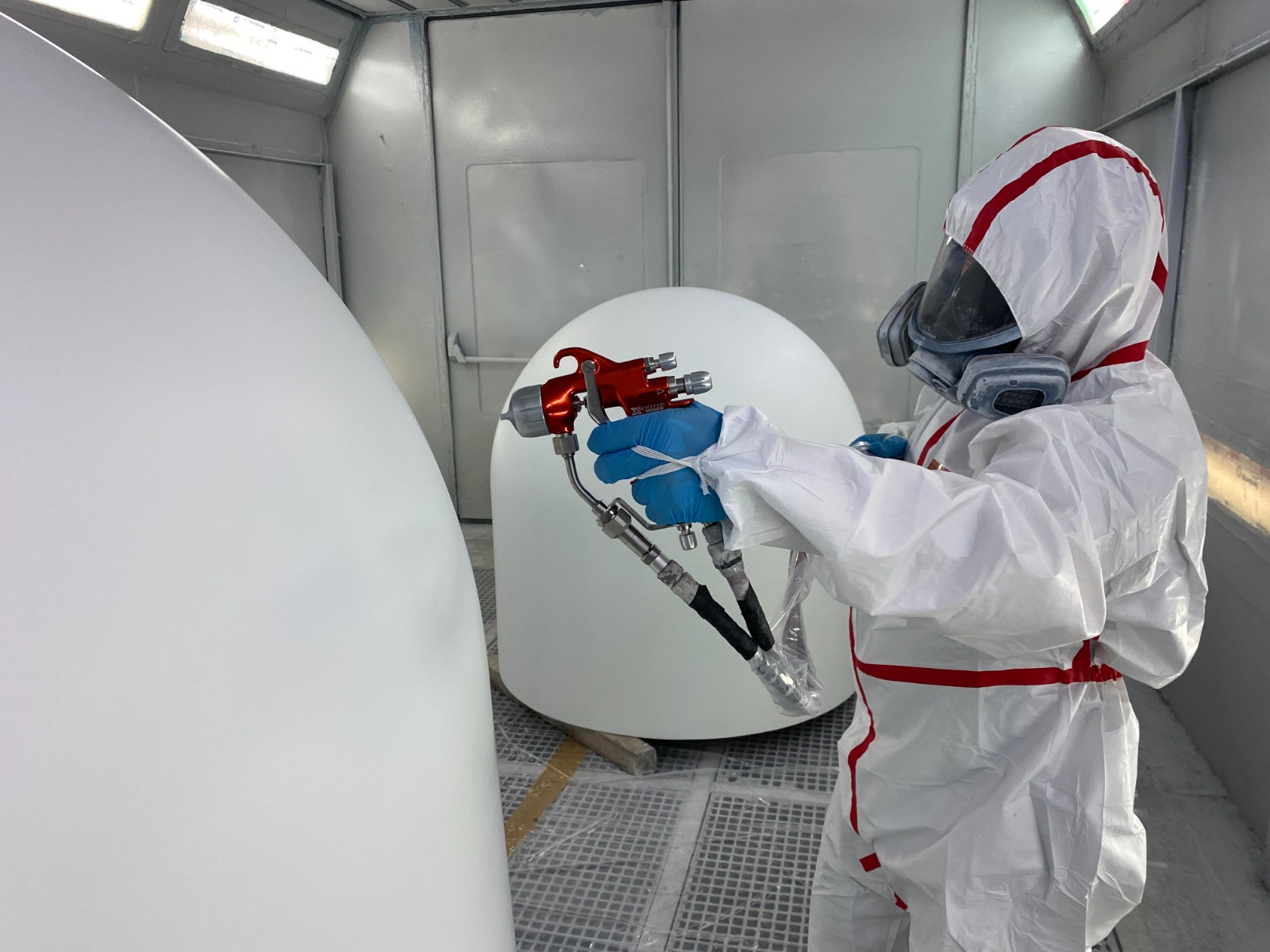
As a professional paint sprayer, it's crucial to perform your duties properly, which is why wearing personal protective equipment (PPE) is always necessary. PPE is a necessity when spraying for several reasons:
Defense against toxic fumes & chemicals.
Volatile compounds such as solvents are present within many spray coatings. If inhaled, these toxins can cause dizziness, headaches and respiratory damage, in severe cases causing asthma and damage to organs. To minimise potential contact with these substances wearing a respiratory mask (such as the Sagola MP300) helps to filter out any impurities in the air and therefore stops the inhalation of these harmful substances.
Where possible, wearing an air mask such as the Sagola 4240 Breathing Mask which is connected to compressed air, is preferred. The Sagola 4240 face mask system is a class 2A device and will provide protection against airborne dusts, mists, gases and vapors up to a Nominal Protection Factor (NPF) of 50, i.e. it can be used in areas where the concentration of contaminant in the workplace air is up to 50 times the Occupational Exposure Limit (OEL). The mask supplies breathable quality compressed air, via a belt-mounted regulator/filter and flexible tube into a visor, protecting the wearer from any airborne impurities.
Some paints contains isocyanates. This is another substance present within many paints that can cause side effects such as allergic reactions or lung and skin damage. To reduce the chances of this, it is recommended to wear overalls (such as the Sagola Coveralls) and gloves to block any possible contact with the skin. It is important to wear gloves made of nitrile or neoprene to protect your skin from contact with toxic solvents or chemicals in paints. Latex gloves, however, may degrade when exposed to these harsh substances and are therefore not suitable for use during a spray painting session.
Always consult with your local health and safety authorities to familiarise yourselves with the PPE requirements in your country.
When paint is atomised during the paint spraying process, minute particles diffuse into the air. These particles can then come in to contact with the skin or eyes. Acquiring safety goggles or a face shield helps to protect the eyes from dangerous overspray that may cause irritation to or even damage the eyes tissue.
It is essential to wear slip-resistant footwear such as boots or shoe covers to ensure steadiness, enhancing the defense from hazardous materials. Failing to wear the appropriate footwear may increase the risk of slipping and falling, which could potentially lead to dangerous chemicals spilling onto surfaces or coming into contact with your skin in severe cases.
Protection against fire and explosive hazards.
Many paints contain flammable solvents that could ignite if exposed to sparks or heat. To reduce fire hazards, it's advised to avoid synthetic fabrics that can produce static electricity and instead, wear flame-resistant clothing for safety in the spraying environment. The Sagola range of coveralls are anti-static and feature breathable panels in the back, underarms and crotch. They also have an adjustable hood with elastic band and Velcro closure, ensuring comfort as well as protection.
Prevention of hearing impairment.
Industrial spray-painting equipment typically generates high noise levels, sometimes exceeding 85 decibels. This can lead to significant hearing problems, such as noise-induced hearing loss (a permanent reduction in hearing ability) or tinnitus (a persistent ringing in the ears). Wearing earplugs, ear defenders or noise cancelling headphones helps to lower the noise exposure and protect your hearing, reducing the risk of these detrimental effects.
-
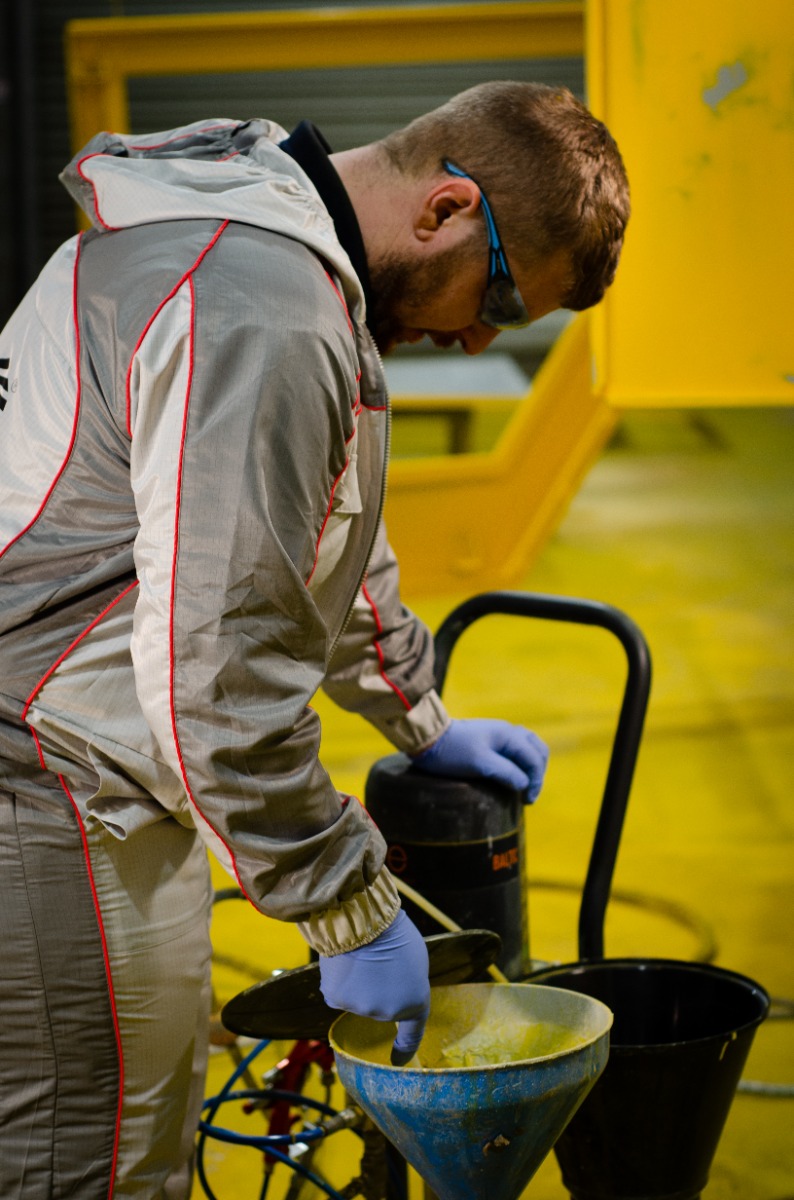
Repeatedly failing to wear personal protective equipment
Consistently failing to wear PPE can lead to exposure to harmful chemicals, potentially resulting in severe long-term health issues. These may include chronic respiratory diseases, lung cancer, nervous system damage, or hearing loss from excessive noise exposure.
-
Benefits of wearing personal protective equipment.
Wearing the appropriate protective garments during spraying helps maintain better concentration by ensuring your comfort throughout the task. When you're equipped with the right gear, such as respirators, gloves, and protective clothing, you can concentrate fully on your work without worrying about the harmful effects of toxic fumes or potential skin exposure. This not only enhances your personal safety but also allows you to perform the job to highest possible standard, as you can work efficiently and confidently without health concerns.
-
Elcometer personal protection equipment for paint spraying.
At Elcometer, we are committed to the safety of our customers, and we take this responsibility very seriously. To support this commitment, we offer a comprehensive range of personal protective equipment designed specifically to enhance safety and comfort when spraying. Our range ensures that sprayers are shielded from toxic chemicals, allowing them to work in a secure and comfortable manner. By providing high-quality PPE, we aim to create a safer working environment so that our customer can achieve high quality results without any health concerns.
For more information email global.sales@elcometer.com